Scuba Diving in Bonaire
Over 60 marked roadside yellow stones offer complete dive autonomy. Rent a double-cab pickup truck, swap tanks at drive-thru stations, and walk directly into warm Caribbean drop-offs with zero boat charters required.
Why Bonaire is the Global Benchmark for Shore Diving Autonomy
In 95% of international dive destinations, your underwater time is strictly dictated by dive boat rosters: 08:00 AM harbour roll calls, strict 45-minute dive time limits enforced by guides, and £60–£120 daily boat surcharges.
Bonaire reverses this dynamic completely.
Along the leeward western coastline, over 60 premier dive sites are marked by yellow-painted roadside stones sitting right on the coastal asphalt. You rent a double-cab pickup truck, load four to six cylinders into the rear truck bed, drive to a site, park on the coral verge, and walk straight into the Caribbean Sea.
The Unvarnished Economic & Practical Reality:
- No Boat Charter Surcharges: Shore diving accounts for 85%+ of all recreational diving here. With an unlimited weekly air or Nitrox package from a local operator, your cost per dive plummets the more you dive. Doing 4 to 5 dives a day costs virtually the same as doing two.
- The Drive-Thru Tank Protocol: Operations like Buddy Dive and Dive Friends provide drive-thru tank exchange lanes. You pull your truck up, hand over empties, slide fresh 12L (80 cu ft) aluminum cylinders directly into your vehicle bed, and head to the next reef.
- Mandatory Entry Fees: All visitors must purchase the official STINAPA Marine Park E-Tag ($40 USD/year) and pay the Bonaire Tourism Tax ($75 USD per entry) before arrival. STINAPA rangers patrol sites and inspect tags regularly.
- Truck Security Golden Rule: The local rule on Bonaire is universal: Never lock your rental pickup truck doors at a dive site, and always leave the windows rolled fully down. Petty theft of loose items can happen; if you lock the truck, thieves will break the glass to see if you hid sunglasses or a camera. Leave nothing of value inside the vehicle while you are submerged.
Ironshore Topography & Equipment Requirements
Bonaire’s shoreline is composed of ancient fossilized coral limestone known locally as ironshore. It is jagged, honeycombed, and often slippery.
Mandatory Gear:
- Hard-Sunk Vulcanized Booties: Slip-on, thin neoprene socks or bare feet inside full-foot fins will result in sliced soles and punctured skin from long-spined black sea urchins (Diadema antillarum). You must use open-heel fins paired with 5mm hard-soled dive boots with thick tread.
- Surface Compass Navigation: Because you navigate without a guide, understanding natural navigation is paramount. On the leeward coast, swimming West always takes you away from the island and down the reef slope; swimming East always brings you back into the shallows toward your parked truck.
Certification Limits & The Southern “Double Reef” Challenge
Bonaire is exceptionally welcoming to Open Water novices, but advanced sites demand disciplined navigation and gas management:
1. The Southern Double Reef System (Angel City & Alice in Wonderland)
- Topography: The inner reef shelves from 6m to 18m. It is then separated from an outer barrier reef by a wide, 100-metre sand flat lying at 18–22m depth.
- The Navigation Trap: To reach the outer reef, divers must cross this featureless sand plain. If you fail to take a precise compass heading on the way out, you risk disorienting yourself on return, running low on gas in deep sand, or surfacing hundreds of metres down-current from your exit truck.
- Certification Standard: Novice Open Water divers should remain on the inner reef system (max 18m). Crossing the sand channel to explore the outer reef requires Advanced Open Water training, disciplined air monitoring (turning at 110 bar minimum), and continuous compass tracking.
2. The Hilma Hooker Wreck (30m Deep Channel)
- Topography: A 72-metre freighter lying on its starboard side in the sand between two coral slopes.
- Limits: The upper port hull sits at 18m depth, making it visible to Open Water divers hovering in clean water. However, dropping to the seabed at 30m or exploring the propeller and cargo holds requires Advanced Open Water + Enriched Air Nitrox (32%) to maintain safe No-Decompression Limits (NDL).
Marine Life & Fish Biodiversity
Bonaire consistently ranks #1 in the Tropical Western Atlantic for marine biodiversity according to data collected by REEF volunteer surveys:
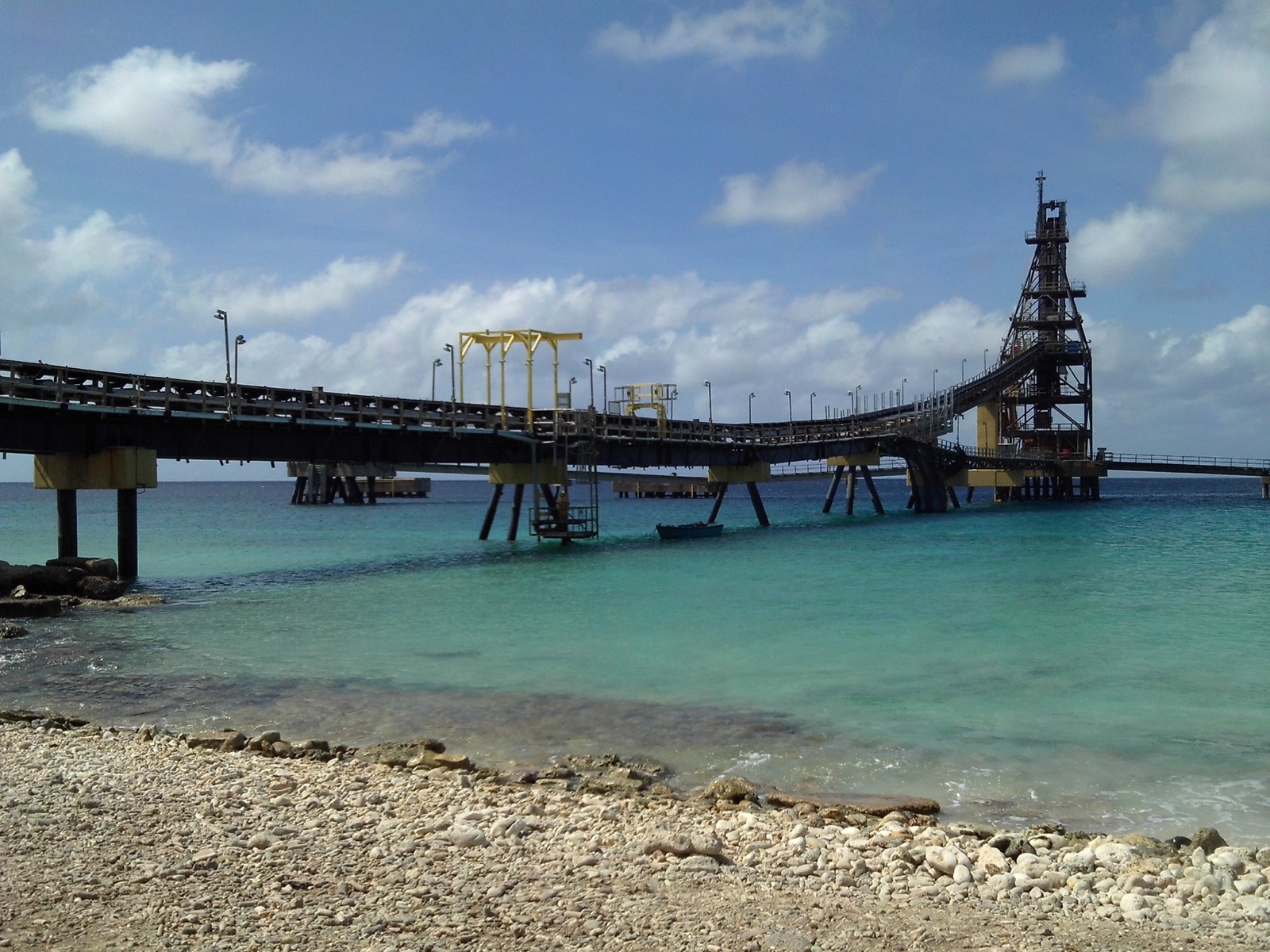
- Resident Tarpon (Megalops atlanticus): Huge, silver, 1.5m to 2m tarpons patrol the pillars of Salt Pier and actively accompany divers on night dives, using dive torch beams to hunt small reef fish.
- Macro Rarity: Longsnout seahorses (Hippocampus reidi) and cryptic longlure frogfish (Antennarius multiocellatus) inhabit the sponge encrustations at Something Special and Bari Reef.
- Turtles: Both hawksbill (Eretmochelys imbricata) and green turtles (Chelonia mydas) graze undisturbed on the northern coral gardens of 1000 Steps and Karpata.
Independent Local Dive Centres (Zero Commercial Affiliation)
How2Scuba operates with 100% editorial independence and receives zero booking commissions. When booking your trip, contact these established on-island operators directly:
- Dive Friends Bonaire: The undisputed leader in shore logistics, with 8 tank pickup and drop-off stations situated across Kralendijk, Hamlet Oasis, Yellow Submarine, and Port Bonaire.
- Buddy Dive Resort: Famous for pioneering the multi-lane drive-thru tank station, dedicated boat fleet for Klein Bonaire trips, and rental truck packages.
- VIP Diving: High-touch, boutique dive school offering personalized guiding, ecology-focused instruction, and small-footprint courses.
- Bas Tol Dive Trips: Renowned local guide specializing in guided shore dives on the wild, untamed East Coast (Cai / Lac Bay) for advanced divers seeking wild eagle rays and pelagic action in rough Atlantic surf.
Questions to Ask Before Finalizing Your Booking:
- Are cylinders fitted with convertible DIN/INT valves (or will I need a DIN adapter insert)?
- Is Enriched Air Nitrox 32% included at the same rate as standard air in unlimited weekly packages?
- What are the earliest and latest hours for swapping tanks at drive-thru stations?
- Do you offer packaged rental trucks (double-cab pickup) bundled directly with accommodation and tank passes?
Practical Logistics: Flights, Car Hire & Staying on Bonaire
- Flight Routes: Direct flights operate from Amsterdam (KLM and TUI fly daily into Flamingo International Airport BON) and from the US via Atlanta, Miami, Houston, and Newark.
- Truck Rentals: Reserve your double-cab pickup truck (AB Car Rental, Twerps, or Voyager) months in advance—especially between December and April—as automatic-transmission trucks sell out quickly.
- Supermarkets & Dining: Kralendijk features excellent Dutch supermarkets (such as Van den Tweel, stocking Albert Heijn goods) for self-catering, alongside world-class waterfront seafood restaurants along the promenade.
Authoritative Sources & Maritime Records
Information on depths, marine protection, species, and historical data for Bonaire has been verified against official registries and scientific archives: