Scuba Diving in Hurghada & Red Sea
Just 5 hours from Europe with direct budget flights, Hurghada is the gateway to the northern Red Sea. Purpose-built day-boats offer 2 to 3 daily dives with hot buffet lunches, historic WWII wrecks, and pristine fringing reefs.
Why Hurghada is Europe’s Most Cost-Effective Diving Gateway
For divers based in the UK and Europe, Hurghada offers the highest return on investment in global diving.
A direct flight on easyJet, Wizz Air, or Pegasus costs £120–£250 return. Once in Hurghada, full-day dive boat charters cost just £40–£60 per day—and unlike Caribbean or Mediterranean day-boats where you are returned to dock between dives, Red Sea operations use custom 25-to-35 metre wooden motor yachts.
The Day-Boat Protocol:
- 08:30 AM Departure: Boats depart the marina after morning port authority coast guard clearance.
- Onboard Facilities: Expansive carpeted sun decks, shaded dive deck with tank benches, private saloon with marine toilets, and an onboard galley where a fresh, hot Egyptian buffet lunch (grilled kofta, rice, tahini, fresh salad, and fruit) is cooked between dives and included in the ticket.
- Two to Three Dives Daily: You complete your morning dive around 10:30 AM, relax for a 2-hour surface interval over lunch while the captain moves the vessel to a secondary reef, and complete your second dive at 14:00 PM, returning to harbour by 16:30 PM.
The Strait of Gubal & The SS Thistlegorm Reality
While Hurghada’s coastal house reefs (such as Fanadir and Abu Ramada) are tranquil and sheltered, the northern offshore wrecks in the Strait of Gubal require serious preparation:
1. SS Thistlegorm Technical Briefing
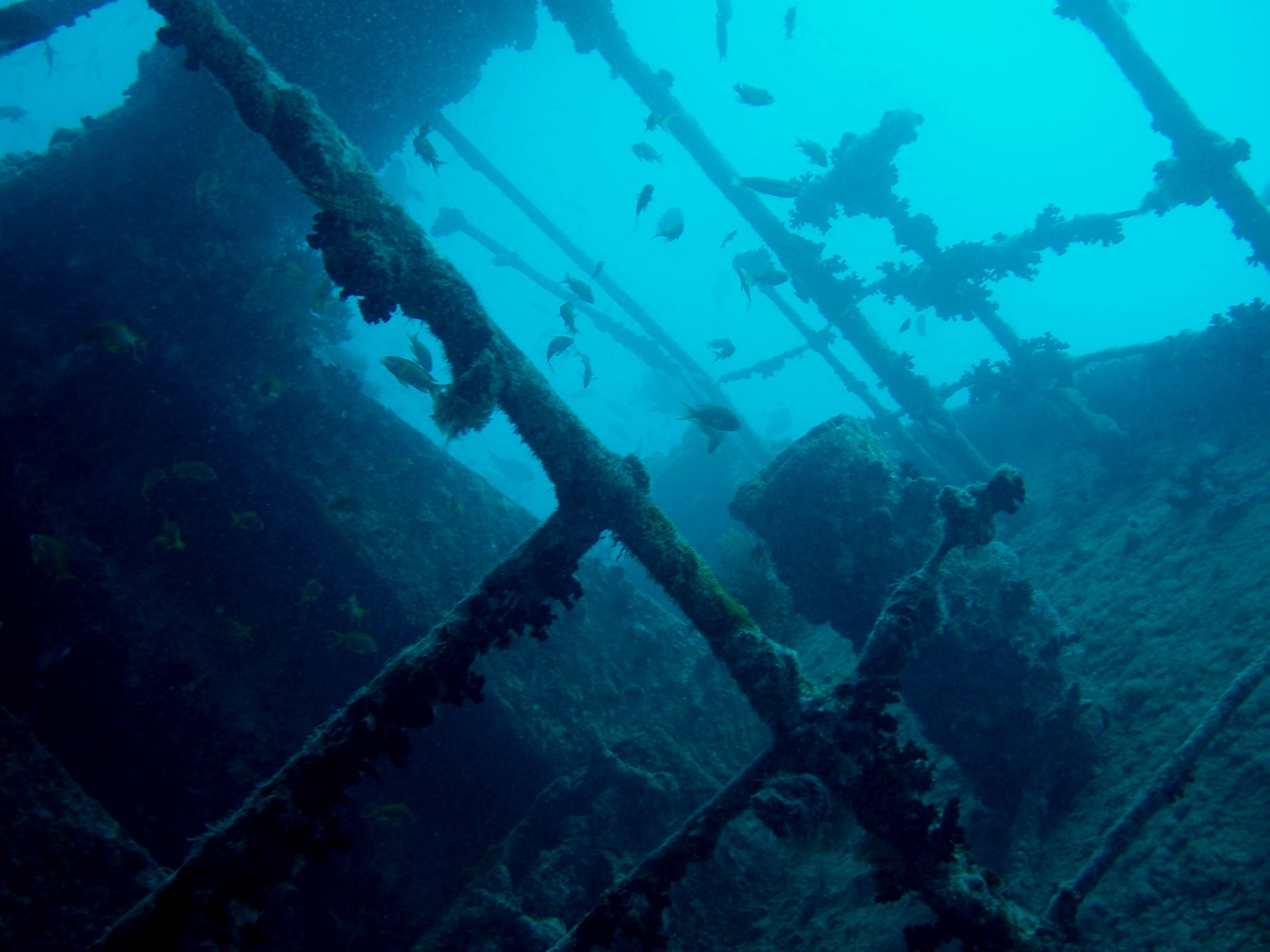
- The Vessel: A 128-metre British armed merchant freighter sunk at 30m depth in October 1941 by German Heinkel He 111 bombers while carrying supplies for the 8th Army.
- The Current Trap: The Strait of Gubal acts as a tidal funnel between the Sinai Peninsula and mainland Egypt. Surface currents regularly hit 2 knots. Divers must descend and ascend holding the vessel’s permanent shotlines with both hands. If you let go of the line, you will be swept into the open shipping channel.
- Nitrox 32% is Essential: On standard air (21%), your No-Decompression Limit (NDL) at the 30m seabed is only 15–18 minutes before entering mandatory decompression. Using Nitrox 32% extends your bottom time to 26–28 minutes, allowing you to properly explore both cargo holds (Bedford trucks, BSA motorbikes) and the stern blast area with its 4.7-inch naval gun.
2. Egyptian CDWS Legal Regulations
Under the regulations enforced by the Chamber of Diving & Watersports (CDWS):
- Advanced offshore sites (including Elphinstone and the Brother Islands) legally require an Advanced Open Water certification and a minimum of 50 logged dives.
- All divers must carry an individual DSMB (surface marker buoy) and dive computer.
Biologically Verified Red Sea Marine Fauna
The Red Sea features a 14%+ endemism rate among reef fish due to its geological isolation:
- Red Sea Anemonefish (Amphiprion bicinctus): Characterized by two prominent white vertical bars with dark edges, nesting inside magnificent sea anemones (Heteractis magnifica).
- Masked Butterflyfish (Chaetodon semilarvatus): Endemic to the Red Sea and Gulf of Aden, these brilliant golden-yellow fish swim in synchronized pairs along the reef face.
- Pelagic Apex Predators: Oceanic whitetip sharks (Carcharhinus longimanus) patrol outer blue waters at offshore pinnacles. Divers are briefed to maintain horizontal trim, keep eye contact, and never make splashing ascents at the surface.
Independent Local Dive Centres in Hurghada
How2Scuba maintains strict commercial independence and takes no affiliate referral fees. Contact these licensed CDWS dive centres directly:
- Circle Divers Hurghada: Well-regarded operation with pristine rental gear, low diver-to-guide ratios, and dedicated day-boats departing from the Hurghada Marina.
- Emperor Divers (Hurghada & El Gouna): Longstanding British-managed PADI 5-Star IDC centre operating spacious boats, offering free Nitrox fills, and organizing specialized wreck mini-safaris.
- Blue Water Dive Resort: Located at the Arabella Azur, offering convenient house reef diving directly from the pier alongside daily boat trips.
- Voodoo Divers: High-service, friendly Dutch-managed dive school located in the heart of the new marina, focusing on relaxed dive pacing and personalized instruction.
Critical Due Diligence Questions to Ask:
- Is the daily environmental national park fee included in the quote or charged as an extra dock surcharge?
- Are 15L steel tanks available for purchase if I have a high surface air consumption rate (SAC)?
- Does your day-boat provide free Enriched Air Nitrox 32% for certified divers?
- Are hot lunch and unlimited soft drinks/water included in the day-boat price?
Practical Trip Planning: Where to Stay & Getting Around
- Flights: Direct flights operate year-round from London, Manchester, Berlin, and Frankfurt into Hurghada International Airport (HRG). Flight time is approximately 5 hours.
- Where to Stay: For quick marina access and pedestrian dining, stay near the New Marina / Sheraton Road. For a luxury, relaxed resort environment with pristine private marinas, consider El Gouna (a 25-minute taxi ride north of Hurghada).
- Currency & Tipping: While Egyptian Pounds (EGP) are used locally, dive centres and day-boat crews appreciate tips in GBP, EUR, or USD (budgeting €5–€10 per day for the boat crew and galley chef is customary).
Authoritative Sources & Maritime Records
Information on depths, marine protection, species, and historical data for Hurghada & Red Sea has been verified against official registries and scientific archives: