Scuba Diving in Koh Tao
Nestled in the Gulf of Thailand, Koh Tao is the world's most famous certification hub. Granite pinnacles rise from 35m depths, surrounded by warm tropical water, whale sharks, and vibrant coral nurseries.
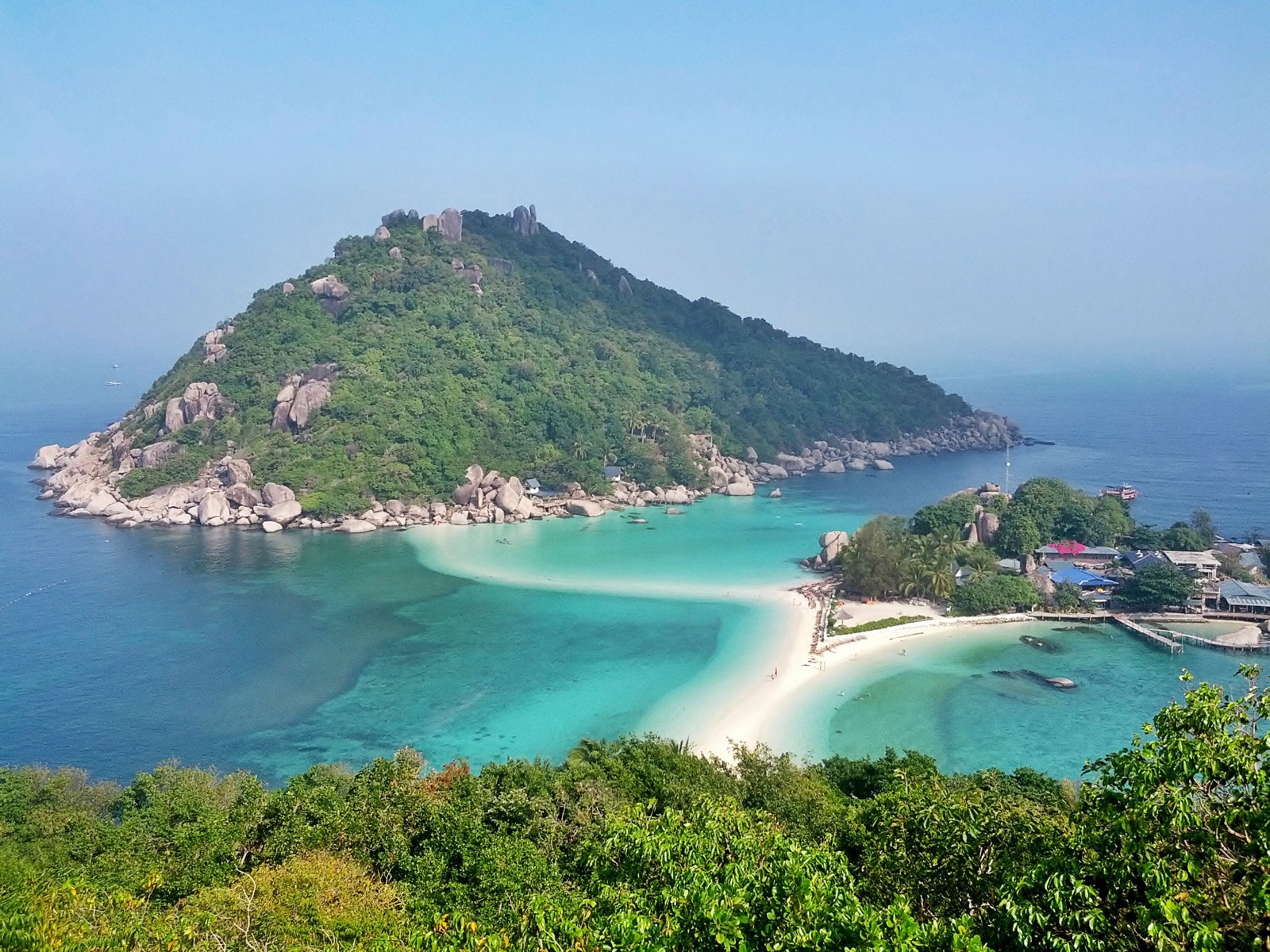
Why Koh Tao Certifies More Divers Than Anywhere Else
Covering just 21 square kilometres in the Gulf of Thailand, Koh Tao is the undisputed global hub for entry-level and continuing dive education.
The island’s economic setup is legendary: an all-inclusive PADI or SSI Open Water course costs approximately £250–£320 (11,000–13,000 THB), frequently including basic fan-room accommodation.
However, Koh Tao is not just a budget classroom for beginners. Its offshore deep granite pinnacles—specifically Chumphon Pinnacle, Southwest Pinnacle, and Sail Rock—rank among Southeast Asia’s most thrilling pelagic aggregation sites.
The Island Geography & Atmosphere Breakdown
To have an exceptional experience on Koh Tao, choosing the right base is critical:
- Sairee Beach: The 1.5-mile bustling west-coast strip. Filled with lively beach bars, fire dancers, and backpacker hostels. If you are 20 and want nightlife every night, stay here. If you value 8 hours of uninterrupted sleep before a 06:00 AM boat departure, avoid Sairee beachfront hotels.
- Mae Haad: The main ferry harbour. Quiet, walkable, filled with authentic family-run Thai restaurants, gear shops, and professional dive centres. An ideal, practical diver base.
- Chalok Baan Kao: The tranquil southern bay. Shallow, chilled-out, and home to eco-conscious dive shops and boutique bungalows.
Boat Logistics & The 06:00 AM Morning Departure
Koh Tao operations run on converted traditional wooden Gulf of Thailand boats:
- The Morning Deep Trip (06:00 AM – 11:30 AM): Operators depart early to reach outer deep sites (Chumphon Pinnacle, Southwest Pinnacle, or HTMS Sattakut) before wind picks up and other boats arrive. These trips are reserved for Advanced divers and Open Water students completing their final deep dives.
- The Afternoon Shallow Trip (12:00 PM – 17:00 PM): Boats head to sheltered, sunlit bays around Koh Nang Yuan (Japanese Gardens, Twins, Mango Bay) for beginner skills, confined water sessions, and refresher dives.
Depth Reality & Site Hazards: The Titan Triggerfish
Koh Tao’s granite boulders provide stunning topography, but divers must understand local nuances:
1. Chumphon Pinnacle & Thermoclines
- Topography: The granite summit sits at 14m, while the seabed drops to 36m.
- Thermoclines: In March through May, cold-water thermoclines surge up from the Gulf depths. Water temperatures can abruptly plummet from 30°C down to 26°C within 2 vertical metres, creating a shimmering visual halocline. Keep an eye on your computer—buoyancy characteristics shift when entering dense cold water layers.
2. Titan Triggerfish (Balistoides viridescens) Territory
- Behavior: During nesting season, territorial Titan Triggerfish aggressively guard their conical nesting zones extending upwards from the seabed in a cone toward the surface.
- Diver Protocol: If a triggerfish approaches with raised dorsal spines, do not swim upwards. Swim horizontally away along the bottom with your fin blades placed defensively between your legs and the fish.
Marine Mega-Fauna: The Whale Shark Window
Koh Tao is world-renowned for wild encounters with the world’s largest fish:
- Whale Sharks (Rhincodon typus): Frequently sighted at Chumphon Pinnacle, Southwest Pinnacle, and Sail Rock. Peak aggregation months occur during the seasonal plankton blooms of March–May and September–October.
- Pelagic Schools: Thousands of chevron barracuda (Sphyraena qenie) form towering circular vortexes over the outer seamounts, accompanied by hunting king mackerel and giant trevally.
Independent Local Dive Centres on Koh Tao
How2Scuba operates with zero booking commissions. Contact these respected operators directly:
- Master Divers (Mae Haad): Highly respected, environmentally focused centre operating small dive groups (max 4 divers per instructor), high safety standards, and personalized service.
- Roctopus Dive (Sairee & Mae Haad): Lively, professional team with exceptional instructor training, modern boats, and a strong culture of dive safety and community.
- Big Blue Diving (Sairee / Chalok): One of the island’s founding dive schools, featuring dedicated technical and freediving departments, on-site beach resort, and spacious custom dive boats.
- New Heaven Dive School (Chalok Baan Kao): The island’s pioneering marine conservation school, offering hands-on reef restoration, coral nursery maintenance, and artificial reef construction courses.
Questions to Ask Before Booking:
- What is the maximum student-to-instructor ratio on course training dives?
- Does the morning boat schedule visit Chumphon Pinnacle or Sail Rock on the days I am diving?
- Are dive computers included in standard equipment rental packages?
Practical Trip Planning: Getting to Koh Tao
- Route 1 (Fastest): Fly from Bangkok (BKK) to Koh Samui (USM) on Bangkok Airways, then take the Lomprayah High-Speed Catamaran (1.5 to 2 hours) directly to Koh Tao’s Mae Haad Pier.
- Route 2 (Budget/Scenic): Book a combined VIP sleeper bus/train + ferry ticket from Bangkok down to Chumphon Pier, followed by a 1.5-hour morning catamaran crossing to Koh Tao.
Authoritative Sources & Maritime Records
Information on depths, marine protection, species, and historical data for Koh Tao has been verified against official registries and scientific archives: