 Critically Endangered
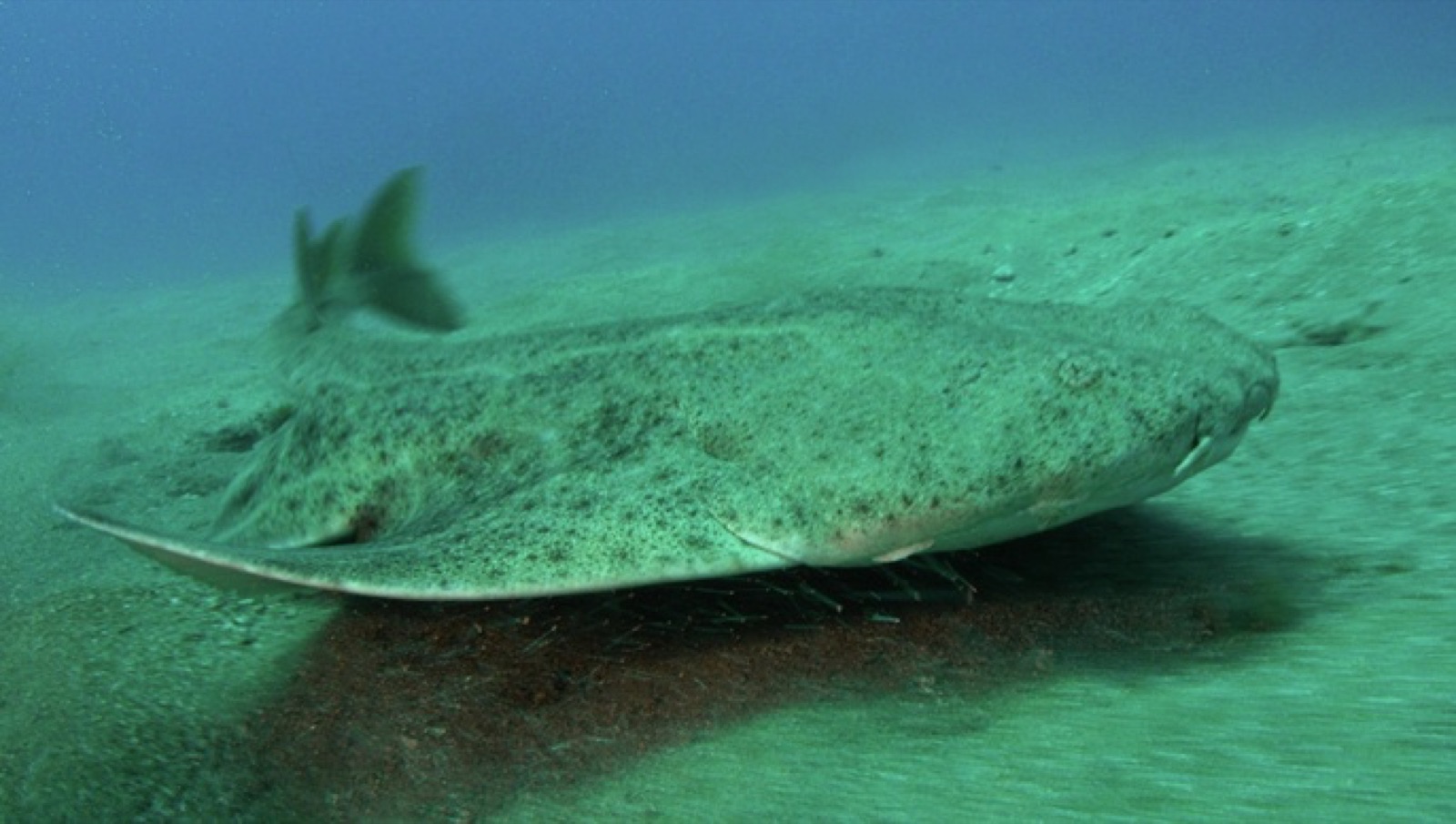
Angel Sharks
Once widespread across Europe and the Mediterranean, the Canary Islands (especially Lanzarote) represent the final global stronghold for the critically endangered angel shark.
Explore Species GuideThe definitive, biologically accurate field guide for scuba divers. Discover species profiles, seasonal migration patterns, IUCN threat statuses, ethical interaction rules, and the world's premier dive sites to encounter them.
Critically EndangeredOnce widespread across Europe and the Mediterranean, the Canary Islands (especially Lanzarote) represent the final global stronghold for the critically endangered angel shark.
Explore Species Guide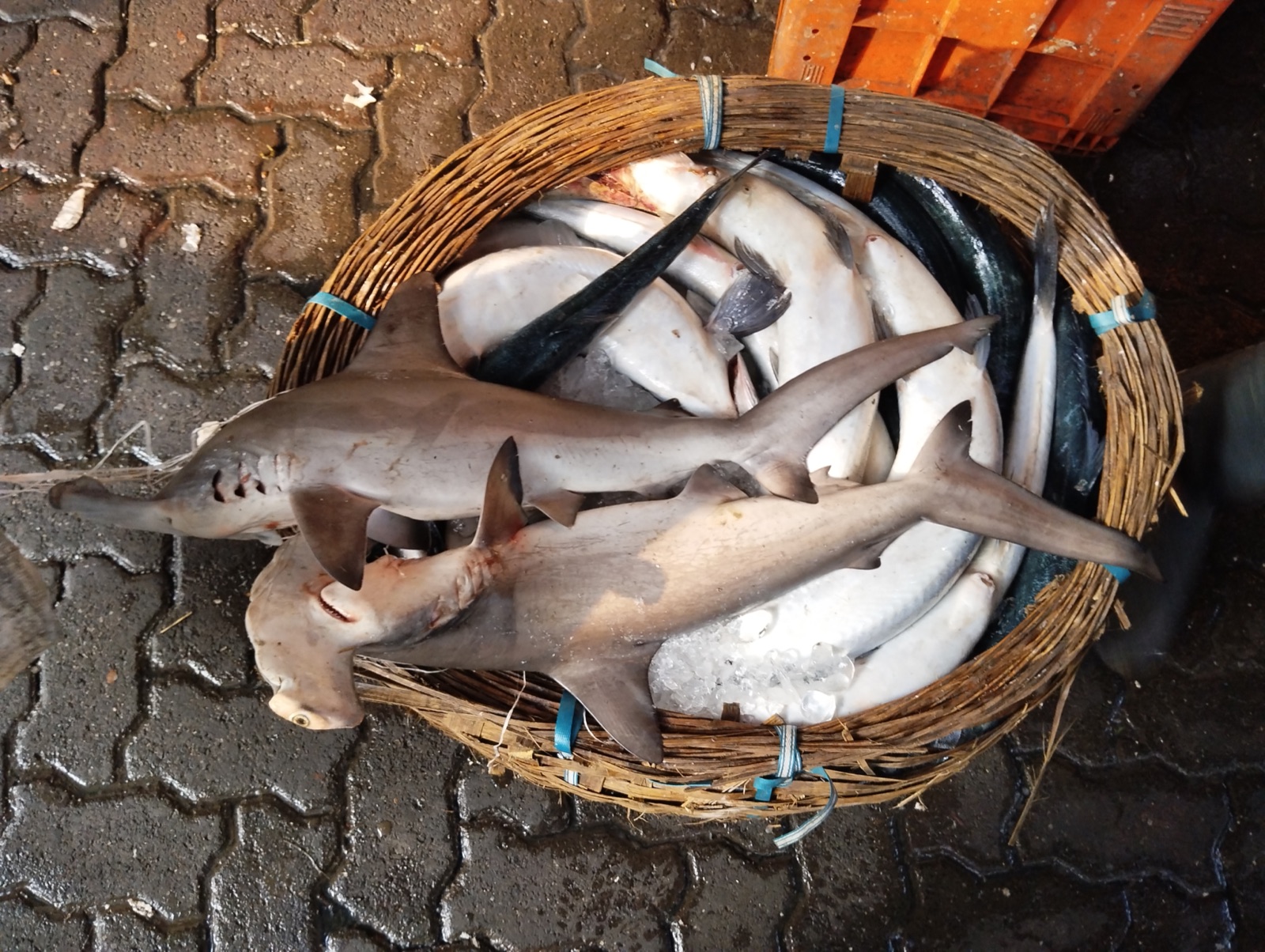 Critically Endangered
Iconic pelagic predators with 360-degree vision and electro-sensory cephalofoils. Famous for forming mesmerizing schools of hundreds along deep oceanic drop-offs and seamounts.
Explore Species Guide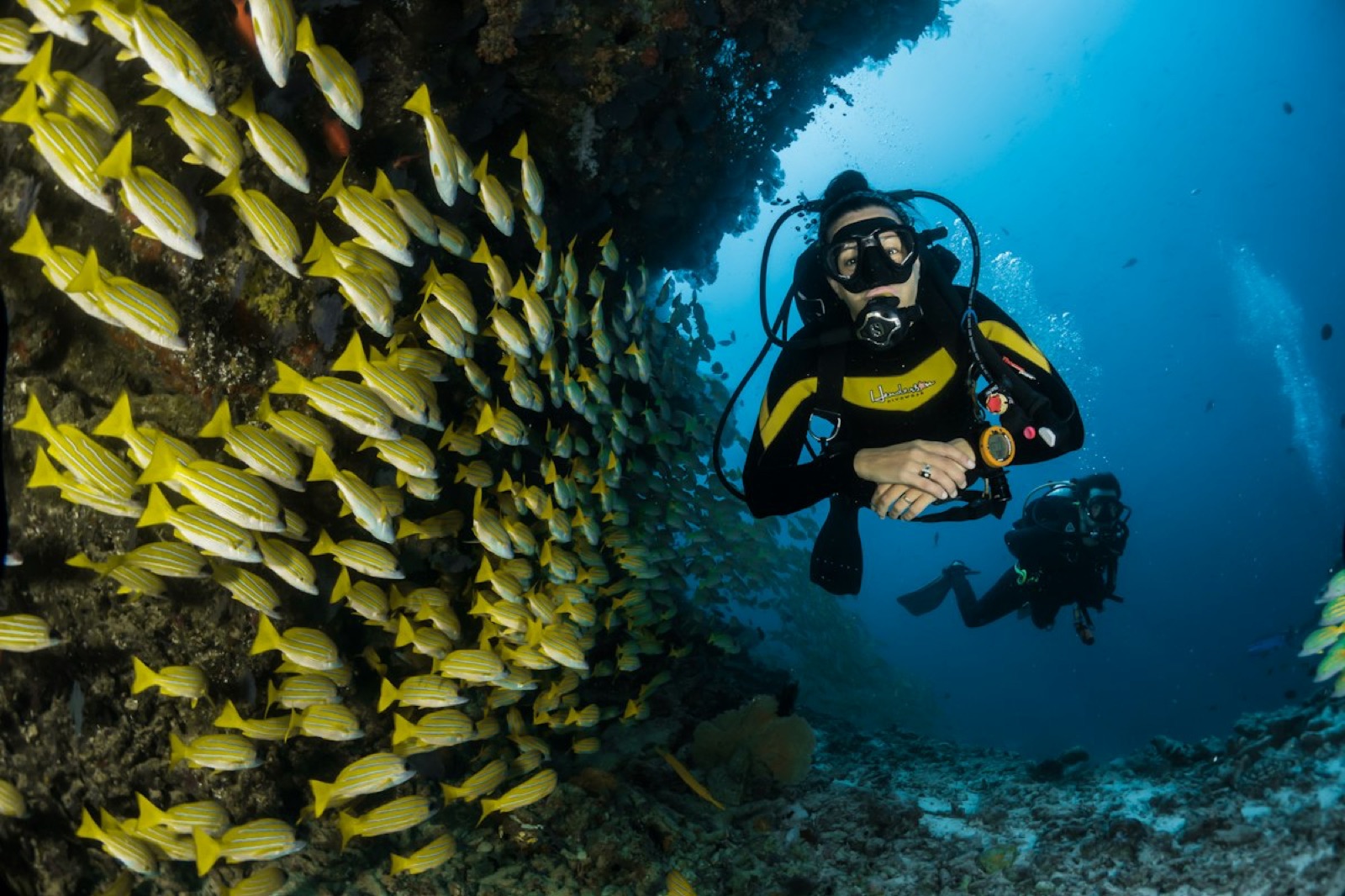 Protected Marine Fauna
From dazzling psychedelic nudibranchs and master-of-disguise frogfish to microscopic pygmy seahorses and venomous blue-ringed octopuses, macro diving reveals the ocean's most extraordinary hidden biodiversity.
Explore Species Guide Vulnerable
Diving with manta rays is widely regarded as one of the ultimate pinnacles of scuba diving. These highly intelligent, gentle pelagic giants boast wingspans up to 7 metres and frequently interact with divers' bubble streams.
Explore Species Guide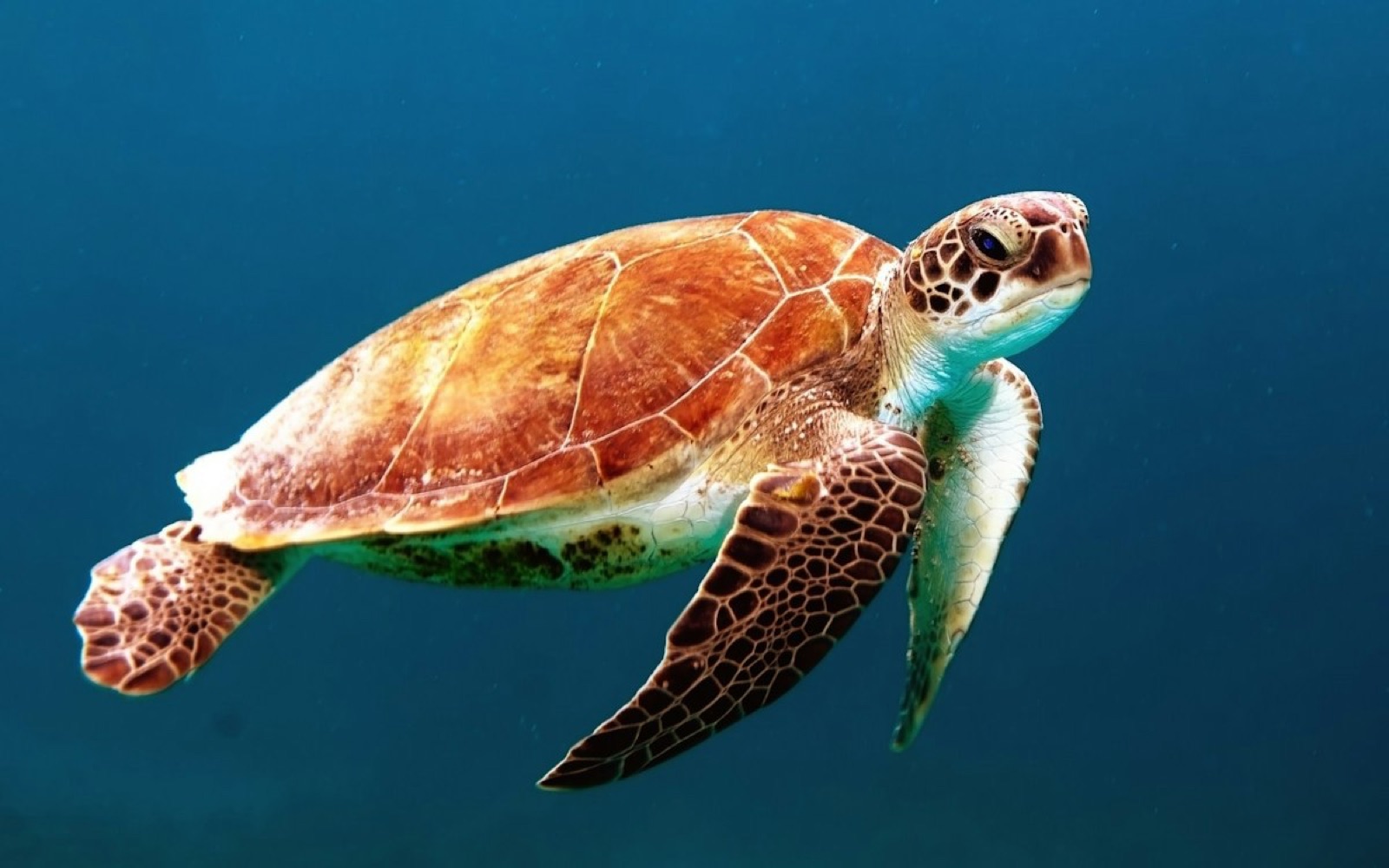 Endangered
From ancient green turtles grazing on seagrass to hawksbills feeding on reef sponges, sea turtles are among the most beloved marine encounters for divers of all levels.
Explore Species Guide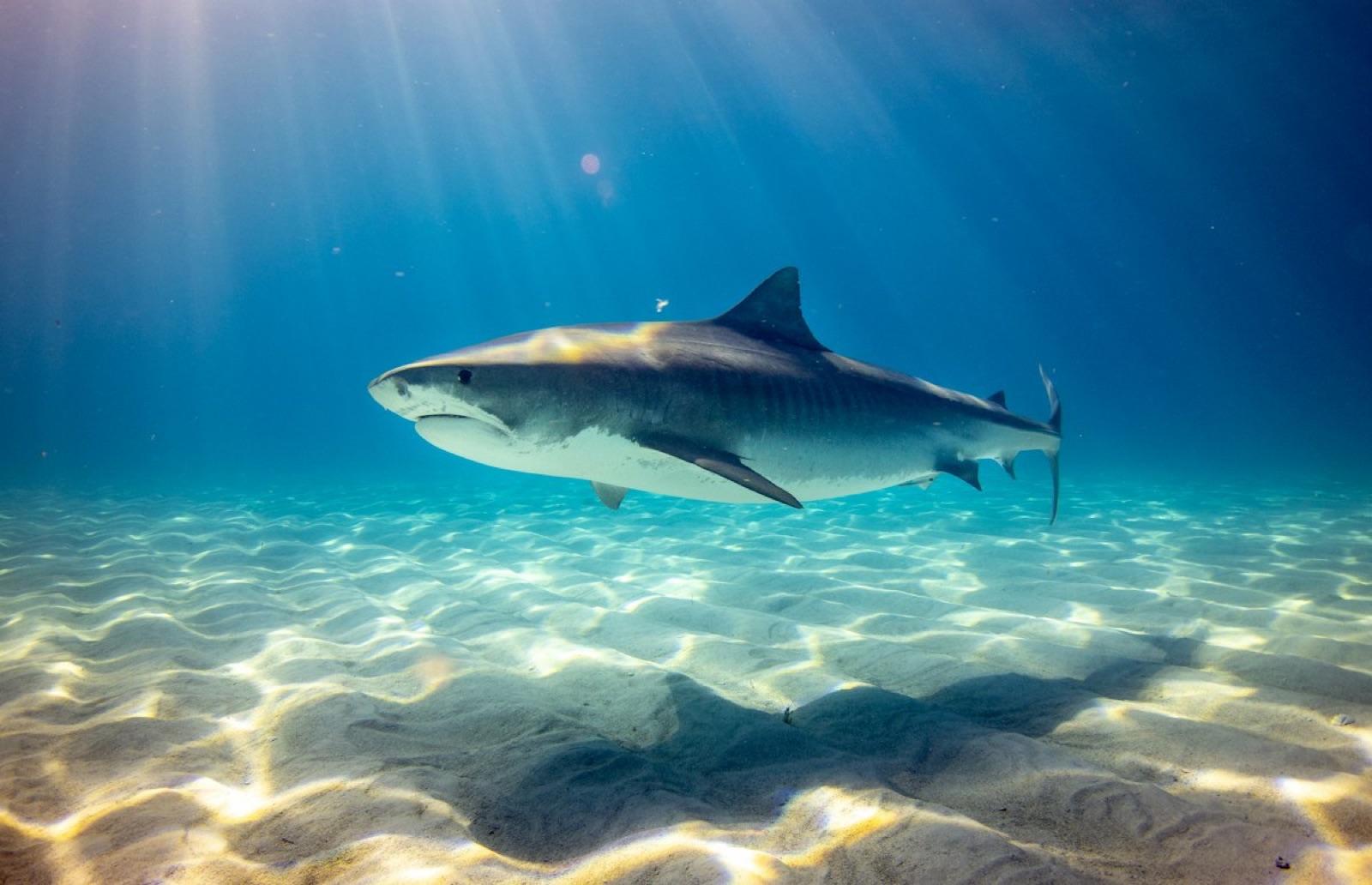 Endangered
The largest fish in the ocean. Reaching lengths over 12 metres and weights exceeding 20 tonnes, these gentle filter-feeding giants cruise tropical waters following plankton blooms.
Explore Species GuideHow2Scuba adheres strictly to the Project AWARE and Green Fins codes of conduct. Scuba divers are privileged ambassadors for marine life. Never touch, harass, chase, or feed marine wildlife, and always maintain neutral buoyancy to prevent damaging fragile benthic habitats.